The Epic Journey of the "Plant Car": Bringing Your Berry Dreams Home
There's a special kind of excitement that bubbles up when you're about to embark on a major gardening project, especially one that promises the sweet rewards of homegrown fruit. It often begins with a journey – not just to the garden center, but the triumphant return trip, laden with green treasures. Picture the scene: a humble vehicle, perhaps a surprisingly capacious Honda Fit, brimming with plants, branches tickling noses, defying expectations of how much it can carry. This is where the magic begins, where the dream of a vibrant, fruiting landscape starts to take tangible form. Indeed, for many passionate gardeners, the moment here comes the plant car berries being planted into the waiting earth is the culmination of weeks of planning and anticipation.
Our recent adventure began with a monumental haul from the local nursery. Five overflowing garden carts, a testament to ambitious horticultural dreams, made their way down the checkout aisle, eliciting marvel from onlookers. The challenge? Fitting an entire orchard's worth of potential into a compact car. Yet, with careful Tetris-like precision, an impressive array of fruit bushes, trees, and flowering plants were tucked in, surprisingly without a single broken branch. This meticulous transport underscores a crucial first tip for aspiring gardeners: always plan your plant transportation. Secure plants upright, protect delicate branches, and make sure they have enough air circulation, even if it means branches playfully reaching for the front seat.
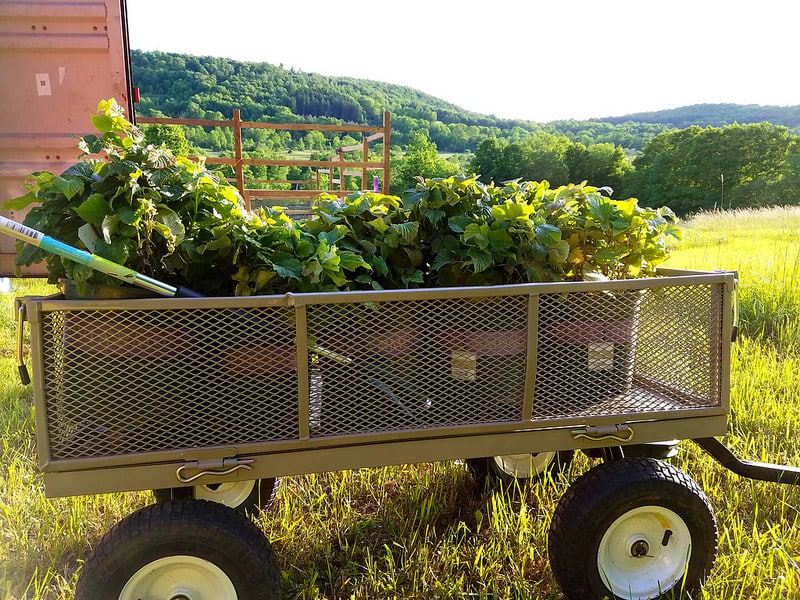
Once home, the real work, and the real fun, began. Gently extracted from their temporary automotive abode, the bounty was wheeled to a freshly mowed patch of grass, ready for the grand design of a new berry patch. For a more detailed account of this ambitious planting project, you can read about From Tiny Car to Massive Patch: Our Weekend Berry Planting Project.
Crafting Your Dream Berry Patch: From Vision to Vast Harvest
Building a successful berry patch isn't just about digging holes; it's about thoughtful planning and understanding the needs of each plant. Our vision was clear: a diverse patch, organized for optimal growth and ease of harvest. The layout allowed each berry type its own dedicated row, ensuring ample space, sunlight, and preventing root competition.
Selecting Your Berry Stars
- Raspberries: A true garden favorite, we planted a generous dozen raspberry plants. Raspberries are incredibly versatile and relatively easy to grow, thriving in full sun and well-drained soil. They come in red, black, and yellow varieties, each with distinct flavor profiles. For optimal growth, provide a trellis or support system as they grow tall.
- Blackberries: Known for their robust growth and juicy fruit, blackberries often require similar care to raspberries, including good support to manage their often vigorous canes.
- Blueberries: These require specific acidic soil conditions (pH 4.5-5.5). If your soil isn't naturally acidic, you'll need to amend it with peat moss or sulfur. Planting multiple varieties can also improve pollination and yield.
- Strawberries: The ground-covering darlings of the berry world, strawberries love full sun and rich, well-drained soil. They spread readily via runners, so give them space or plan to manage their expansion.
- Grapes: Our plans included four grapevines (two green, two purple), planted just outside the main garden perimeter. Grapes are long-term investments, requiring sturdy trellises or arbors to climb. Proper pruning is essential for good fruit production and plant health. Consider varieties suited for your USDA hardiness zone and desired use (table grapes, juice, or wine).
The Art of Planting and Care
Even a morning full of pouring rain couldn't deter our planting efforts, though seeking cover periodically became part of the adventure. While rain can make digging a muddy affair, it provides invaluable free irrigation, helping newly planted roots settle in. When planting, dig a hole twice as wide as the root ball and just as deep. Loosen the roots before placing the plant, backfill with a mix of native soil and compost, and water thoroughly to eliminate air pockets. Mulching around the base of the plants will help retain moisture, suppress weeds, and regulate soil temperature.
For those considering specific varieties like black raspberries, it's worth noting their unique characteristics. As highlighted by Tenth Acre Farm, black raspberries are a rewarding choice for small-scale gardens and edible landscapes. They thrive best in USDA hardiness zones 5-8, being slightly less hardy than their red or yellow counterparts. Finding "free to a good home" plants, as one gardener did, can be a fantastic way to expand your edible landscape and even connect with fellow gardening enthusiasts.
Our initial patch, with almost 50 berry plants carefully arranged, may not look like much in its early stages, but the potential for a bountiful harvest by the end of summer is immense. It's a testament to patience and vision in gardening.
Beyond Berries: Adding Beauty and Evergreens to Your Landscape
A truly vibrant garden is often a blend of edible delights and ornamental beauty. To complement the berry patch and add structural interest and color, we also incorporated a variety of flowering shrubs and trees around the garden's perimeter.
- Rhododendrons: These magnificent flowering shrubs bring an explosion of color in spring. We chose several varieties, including 'PJM', 'Anah Kruschke', 'Boursault', and 'English Roseum', known for their stunning blooms and varying shades of purple, pink, and red. They prefer partial shade and acidic soil, making them perfect companions to blueberries if soil conditions are right.
- Roses: For continuous blooms and a touch of classic elegance, we added 'Knock Out' and 'Flamingo Kolorscape' roses. 'Knock Out' roses are renowned for their disease resistance and prolific flowering, making them a low-maintenance choice for adding consistent color.
- Sky Trails Serbian Spruce: To introduce a beautiful evergreen focal point, a 'Sky Trails' Serbian Spruce was planted. Its unique shaggy appearance adds texture and year-round interest to the landscape, providing a striking contrast to the deciduous berry plants and flowering shrubs.
It's always a joy to see a garden evolve, and watching these new additions grow and bloom will undoubtedly transform the landscape from a sea of green into a tapestry of colors and forms. Speaking of trees, even an older Christmas tree, once relegated to a corner, found new life with surprising growth, a reminder of the resilience and joy plants bring. For more insights into our journey and the unexpected challenges we faced, check out Rain, Deer, & a Honda Fit: The Story of Our Epic Garden Planting.
Overcoming the Elements: Rain, Pests, and the Joys of Gardening
Gardening is rarely without its challenges, and our planting weekend was no exception. While the rain, as mentioned, provided a welcome natural watering system, another persistent challenge loomed: deer. Our property is a frequent haunt for these graceful but often destructive creatures, and protecting a burgeoning berry patch from their appetites is a significant undertaking.
Deer Deterrence Strategies:
- Fencing: The most effective long-term solution is a sturdy fence. For deer, this typically means a fence at least 8 feet high, or a double-fence system. While a significant investment, it offers the best protection.
- Repellents: Various commercial deer repellents are available, often using strong scents or tastes that deer dislike. These need to be reapplied regularly, especially after rain. Homemade solutions, like diluted hot pepper spray or soap shavings, can also be tried.
- Strategic Planting: While not foolproof, planting deer-resistant species around your more vulnerable plants can sometimes help. Deer tend to avoid plants with fuzzy leaves, strong scents, or spines.
- Motion-Activated Sprinklers: These can startle deer and send them packing, providing a humane deterrent.
- Visual Deterrents: While often less effective in the long run as deer become accustomed to them, shiny objects, scarecrows, or even fake predators can offer temporary relief.
The battle against deer is often a continuous negotiation, and while talking to them might result in a "tongue out" response, persistent effort in implementing deterrents is key to safeguarding your precious harvest. The joy of a flourishing garden, filled with ripe berries and vibrant blooms, makes every challenge worthwhile.
Conclusion
Building your own berry patch is a rewarding endeavor that connects you deeply with nature and provides a sustainable source of fresh, delicious fruit. From the initial exciting journey home with a car full of plants to the meticulous planning and planting, every step is an investment in future harvests. While challenges like unpredictable weather and persistent wildlife are part of the gardening journey, they only add to the satisfaction of watching your vision come to life. With thoughtful planning, consistent care, and a little resilience, your garden will flourish, offering not just an abundance of raspberries, grapes, and more, but also a beautiful, dynamic landscape to enjoy for years to come. Happy planting!
